Navigating the National Disability Insurance Scheme can feel tough, especially when dealing with complex care needs. For people with significant physical impairments, finding the right home, daily assistance, and professional care is vital for staying independent and living with dignity.
If you or someone in your family needs specialized housing and advanced care setups, understanding how the scheme handles high physical support ndis requirements is essential. From specialized disability housing to dedicated personal care support workers in Melbourne, the right framework can completely change daily life and long-term wellbeing.
This comprehensive guide breaks down what high physical support means, how funding works, the difference between housing and daily care, and how to access the right services across Melbourne to ensure great health, safety, and lifestyle outcomes.
What Is High Physical Support Within the NDIS?
High Physical Support is a specific design category under Specialist Disability Accommodation. It is made for participants who have significant physical impairments and need a high level of help throughout the day and night.
Homes built to High Physical Support standards feature structural additions that make independent living possible and safe. These properties usually include ceiling hoists, backup power systems for life support equipment, smart home automation, wider doorways, accessible bathrooms, and strong walls to hold heavy equipment.
Beyond the building itself, living with high physical support needs requires a reliable team of trained professionals. Whether you are looking for an experienced ndis support worker melbourne or specialized ndis supported independent living melbourne, having the right care team is just as important as the physical house.
Key Parts of High Physical Support Care
Managing high physical support needs involves a careful mix of specialized housing, assistive technology, and ongoing personal care. Here is how these parts work together to support participants in reaching their personal goals.
1. Specialist Disability Accommodation (SDA)
SDA refers to the physical home where a participant lives. High Physical Support SDA properties are carefully built to handle complex equipment and physical accessibility needs.
- Structural Changes: Reinforced ceilings that can hold heavy hoist systems and wider turning circles for motorized wheelchairs.
- Assistive Tech Integration: Automated doors, voice activated lights, and smart climate controls run easily by the resident.
- On Site Support Setup: Space for overnight support staff, ensuring help is always close by while protecting resident privacy.
2. Supported Independent Living (SIL) and Daily Personal Care
While SDA provides the house, Supported Independent Living covers the personal help needed inside that home.
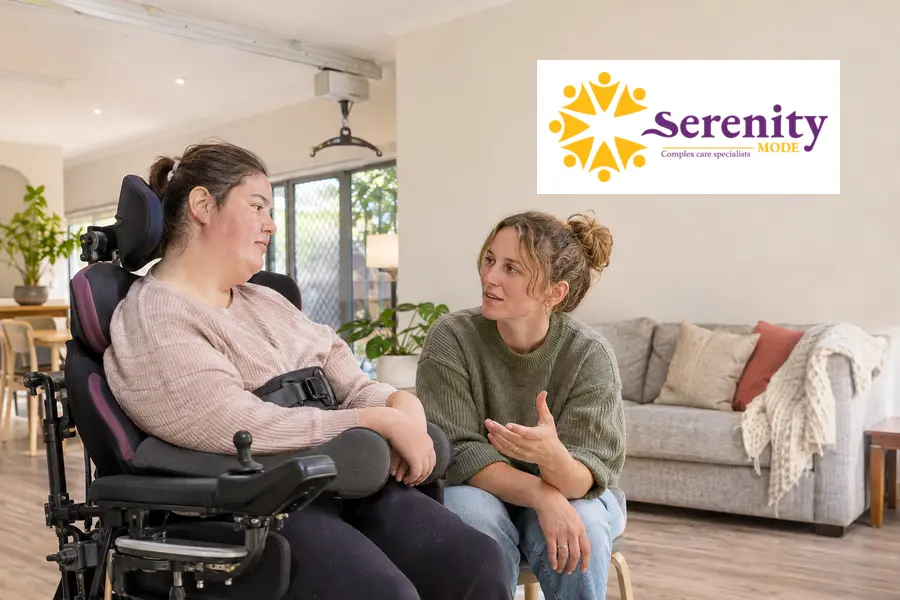
- Personal Care: Professional support workers help with daily routines like showering, grooming, dressing, and taking medication. Many Melbourne families rely on trusted providers offering comprehensive ndis personal care melbourne to handle these personal tasks safely and respectfully.
- Skill Building: Support workers also focus on building daily living skills, helping participants take charge of their own routines and choices.
- Community Access: Helping with transport and support to attend social events, medical appointments, and fun activities across Melbourne.
The Role of Assistive Technology and Equipment
Assistive technology plays a life changing role for people who need high physical support. When paired with smart home automation, technology bridges the gap between physical limits and total freedom.
Smart Home Integration
Modern SDA properties include smart home automation systems. Participants can control lights, window blinds, entertainment systems, and entry doors using voice commands, head arrays, or special touch screens. This level of control cuts down the need to ask support staff for small room adjustments, building a strong sense of independence.
Emergency Response and Backup Systems
Safety is vital for people with complex physical needs. High Physical Support homes often include strong emergency call systems and backup power setups. If the power goes out, critical medical gear like ventilators, oxygen machines, and electric wheelchairs keep running, giving great peace of mind to participants and their families.
Choosing a Registered NDIS Service Provider in Melbourne
Choosing the right provider can make all the difference in your NDIS journey. Working with a registered ndis service provider melbourne ensures that your supports are delivered by checked, trusted professionals who meet strict quality and safety standards set by the NDIS Quality and Safeguards Commission.
When checking providers for high physical support needs, look at these factors:
- Staff Training: Make sure support workers have special training in safe lifting, hoist use, and emergency responses for complex medical needs.
- Local Know How: A provider that knows the Melbourne healthcare and disability scene can better find local resources, therapists, and community groups.
- Personalised Care: Your care plan should be tailored entirely to your personal goals, preferences, and lifestyle needs rather than a fixed company schedule.
Navigating the NDIS Planning and Assessment Process
Getting funding for high physical support and related services takes thorough paperwork, clear proof, and teamwork with allied health professionals.
Gathering Supporting Proof
To show the need for high physical support, participants must share detailed reports from occupational therapists, physiotherapists, and medical specialists. These reports must point out physical limits and explain why standard housing or standard support levels are not enough.
Plan Setup and Review
Once funding is approved, your support coordinator will help connect you with suitable SDA providers, SIL housing arrangements, and daily care teams. Regular plan reviews ensure that your funding updates as your needs change over time.
Frequently Asked Questions
How do I get SDA funding from the NDIS?
To get Specialist Disability Accommodation funding, you must have a functional assessment and show that you have extreme physical limits or very high support needs. Your occupational therapist and support coordinator will submit proof showing that normal housing does not work and that SDA is needed to live safely.
What is assistance with daily life in the NDIS?
Assistance with daily life is a core support category that funds everyday personal care and household tasks. This includes help with personal hygiene, making meals, managing medication, and general house upkeep, delivered on your own or inside a shared living setup.
Can a family member be an NDIS support worker?
In most normal cases, the NDIS generally does not fund family members to provide paid personal care or support work. However, exceptions can be made in special cases of severe market hardship, cultural preferences, or remote locations, subject to strict agency approval.
What features define a High Physical Support home?
High Physical Support homes include accessible layouts, ceiling hoist setups, emergency backup power for vital medical gear, automated doors and windows, and smart home tech built to boost independence and safety for residents.
How do I find reliable personal care services in Melbourne?
You can find trusted providers by searching the official NDIS provider finder portal, asking your support coordinator for tips, or connecting with specialized disability service groups working across metro Melbourne and nearby suburbs.
What is the difference between SDA and SIL?
Specialist Disability Accommodation refers to the actual bricks and mortar home and its special physical features. Supported Independent Living refers to the paid personal care and support services delivered to you inside that home to help you live independently.
How do I choose the right support provider in Melbourne?
Look for registered providers with proven experience in complex care, strict staff training programs, great participant reviews, and a commitment to personalized, goal focused support plans that put individual choice first.
Conclusion
Managing high physical support needs takes a smooth mix of accessible housing, smart assistive technology, and caring personal care. By understanding your funding rights and teaming up with experienced professionals, you can build a living setup that backs your independence, safety, and comfort.
If you are checking out housing options or looking for reliable daily support in Melbourne, reach out to our team at Serenity Mode to talk about how we can tailor our services to your unique lifestyle goals.
Contact us today to book a consultation and take the next step toward independent living.