NDIS Therapy Support in Melbourne
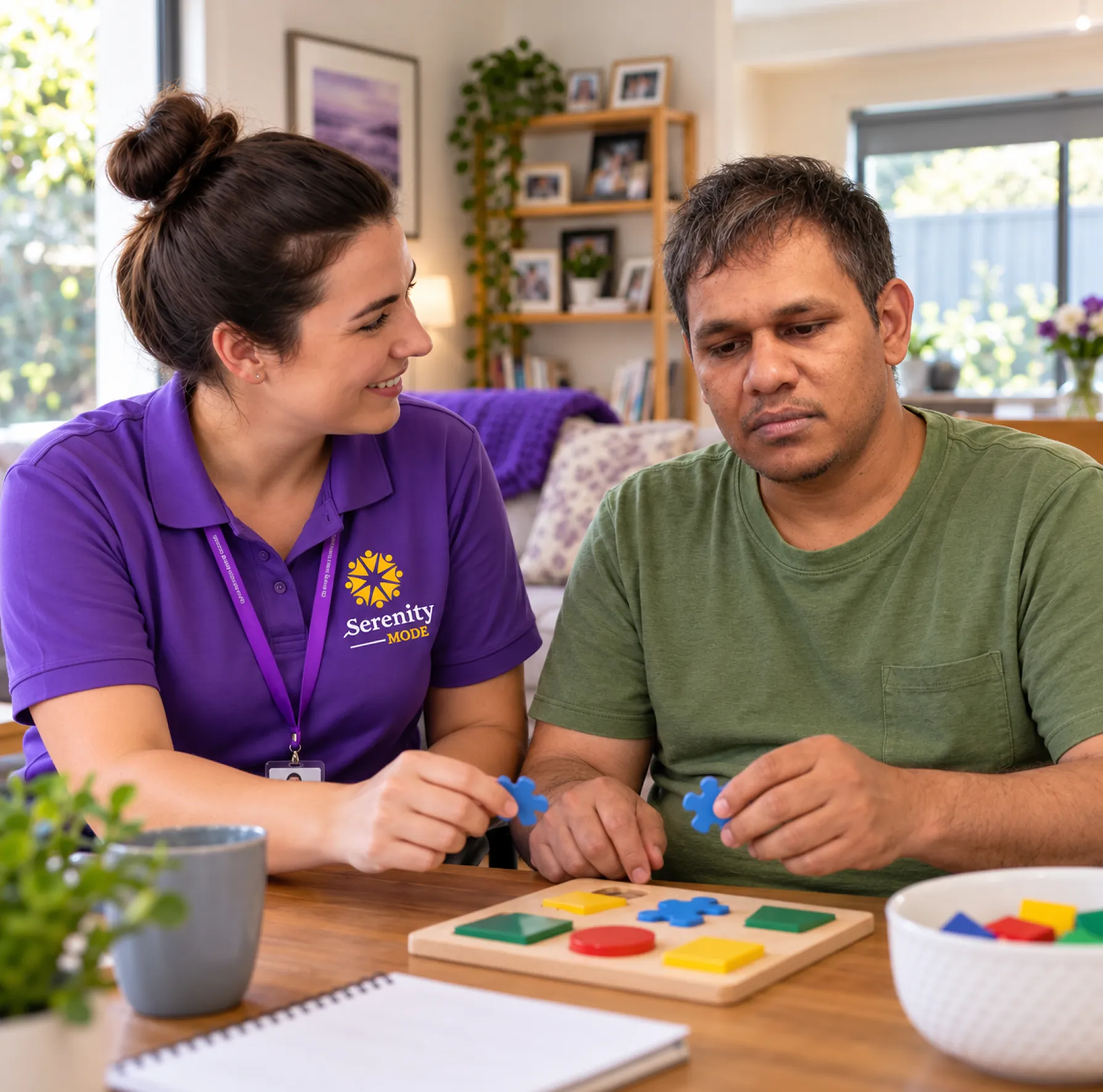
- Person-Centred Support
- Allied Health Coordination
- Individualised Support Plans
- Melbourne-Wide Support
- OUR APPROACH
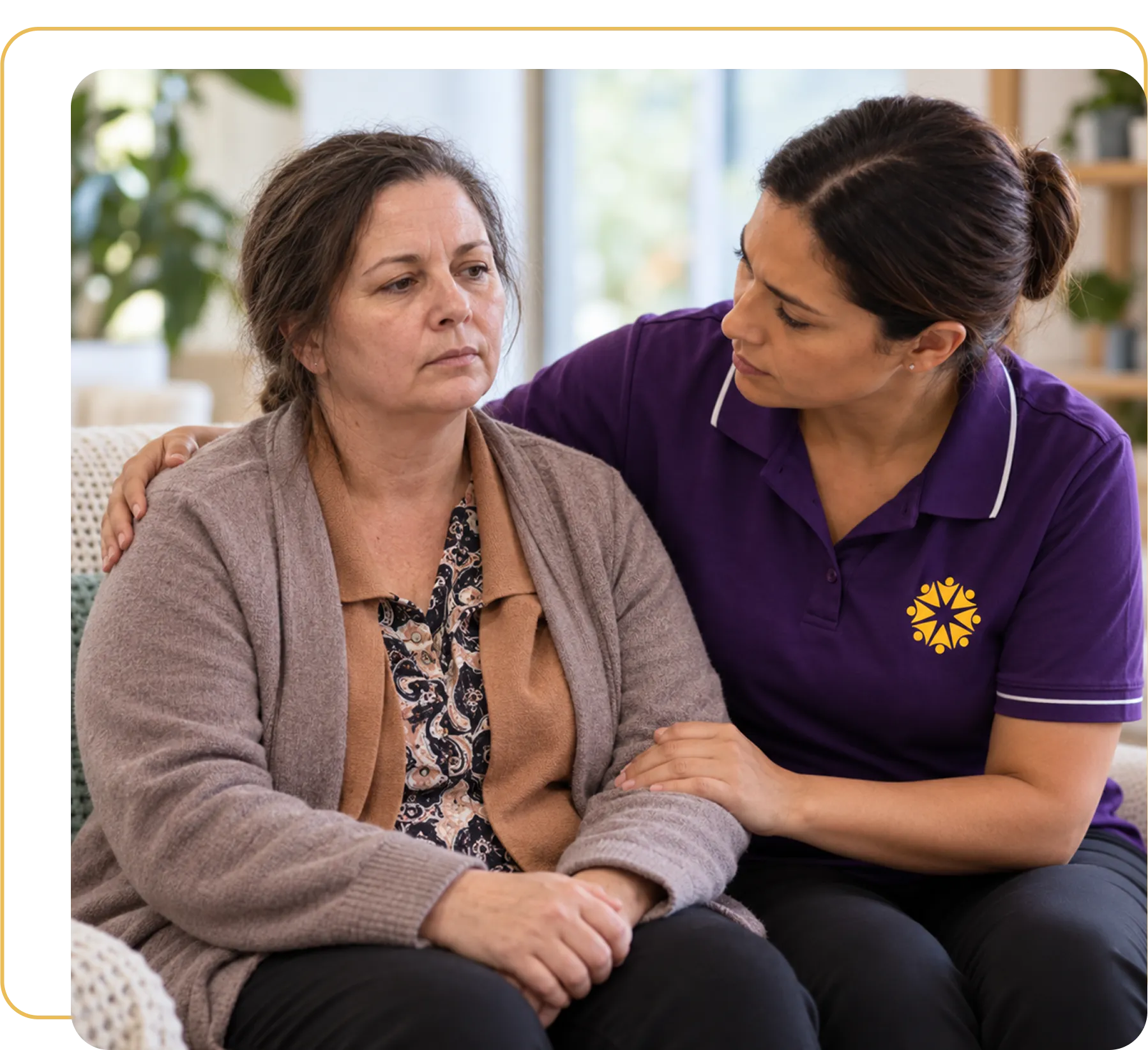
Personalised Therapy Support for Individual Needs
- Support aligned with individual goals and daily routines
- Coordination with relevant allied health professionals
- Families and support networks involved where appropriate
- Ongoing support focused on practical outcomes and independence
- WHAT WE OFFER
Types of NDIS Therapy Support
Occupational Therapy
Support focused on daily living skills, functional independence, and participation in everyday activities.
Speech Therapy
Support to develop communication, language, and swallowing skills where assessed as appropriate by a qualified speech pathologist.
Physio Therapy
Support focused on movement, mobility, physical function, and participation in everyday activities.
Behaviour Support
Coordinated support that promotes positive behaviour, addresses individual needs, and aligns with an approved Behaviour Support Plan where applicable.
Music Therapy
Access to appropriate music-based therapeutic support to encourage communication, expression, engagement, and participation.
Allied Health Coordination
Collaboration with relevant professionals to help align therapy recommendations with everyday support, individual goals, and routines.
- WHO WE SUPPORT
Therapy Support for Different Needs
Physical Disabilities
Intellectual Disabilities
Autism and Neurodevelopmental Conditions
Acquired Brain Injury
Complex Support Needs
- BUILDING EVERYDAY SKILLS
Turning Therapy Goals into Everyday Progress
Communication and Social Skills
Support to practise communication, express preferences, and participate more confidently in social situations.
Daily Living and Personal Care
Practical assistance that reinforces appropriate strategies for personal care, routines, and household activities.
Mobility and Physical Function
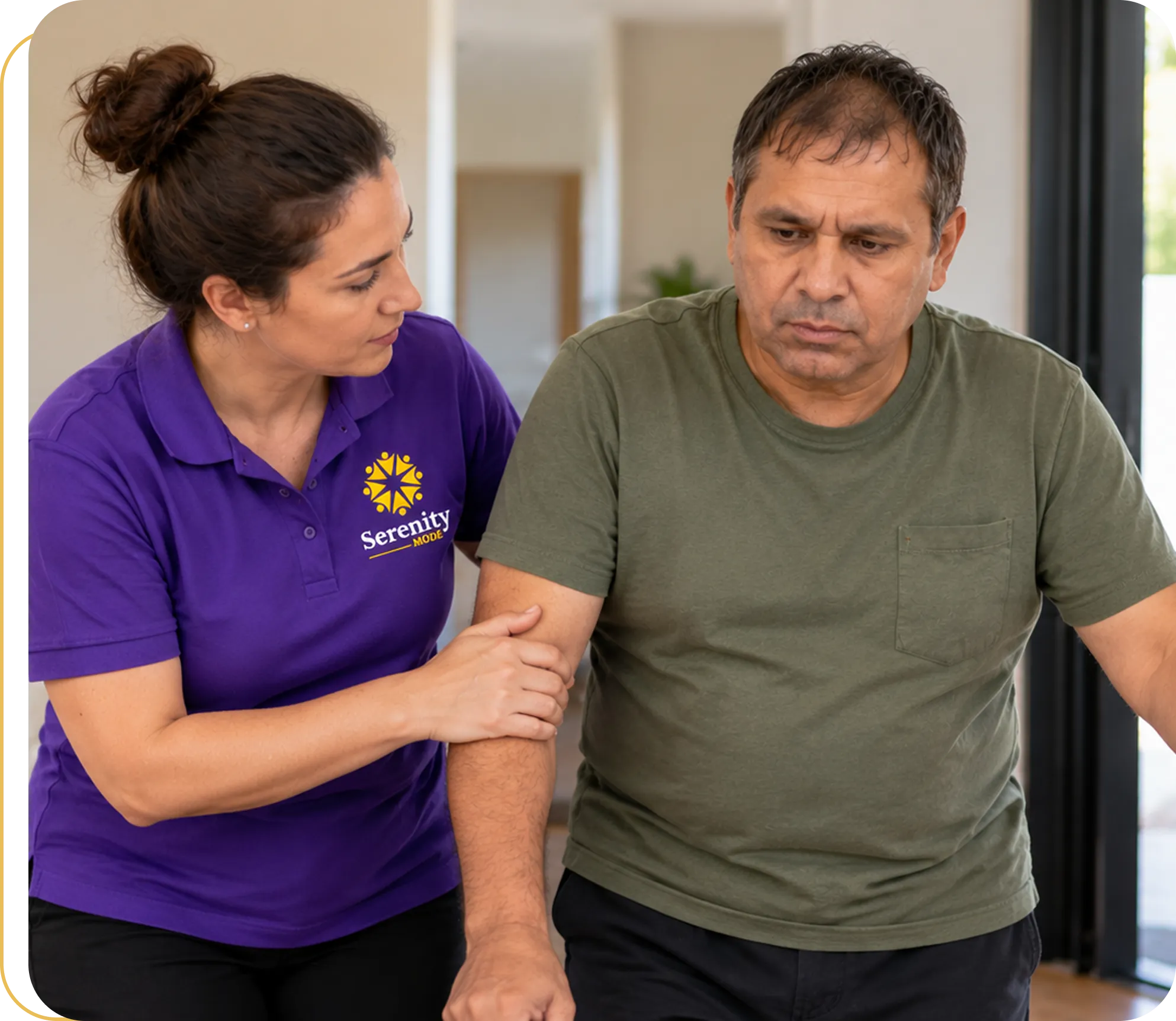
Everyday support that complements professional recommendations for movement, transfers, and physical participation.
Choice and Decision-Making
Encouragement to express preferences, make informed choices, and take greater control of daily routines.
- SUPPORT WHERE YOU NEED IT
Connecting Therapy Goals with Home and Community Life
At Home
Serenity Mode supports participants with daily routines and everyday activities, helping them practise relevant skills in familiar surroundings in line with their individual support plans and professional recommendations.
In the Community
We help participants apply appropriate skills in real-life settings, including community activities, social interactions, and everyday outings, supporting greater participation and independence.
- WHY CHOOSE
Why Choose Serenity Mode for Therapy Support?
Individualised Support Planning
Support is shaped around the participant's goals, preferences, abilities, and daily routines.
Allied Health Collaboration
We work alongside relevant professionals to help maintain consistency between therapy recommendations and everyday support.
Focus on Everyday Independence
Our approach encourages participants to practise appropriate skills and build confidence in daily activities.
Support for Complex Needs
We consider the participant's wider support requirements and coordinate with relevant professionals where additional expertise is needed.
- GETTING STARTED
How to Access NDIS Therapy Support
Get in Touch
Contact our team to discuss the participant's current situation, support needs, and goals.
Discuss Your Needs
We learn about the participant's daily routines, existing supports, and any allied health recommendations.
Plan Your Support
We work with the participant and relevant support network to establish an individualised approach aligned with their NDIS goals.
Support Begins
Once arrangements are confirmed, support begins according to the agreed plan, with coordination involving relevant professionals as appropriate.
- FAQs