High intensity support refers to skilled, often daily or 24/7 help for people whose care needs are more complex and demanding than basic assistance. This includes individuals who require complex care – such as clinical monitoring, behavioural support plans, or high physical support (HPS) for mobility and transfers.
Understanding how high intensity support works is essential for families exploring care options and deciding between standard home support and specialist care pathways.
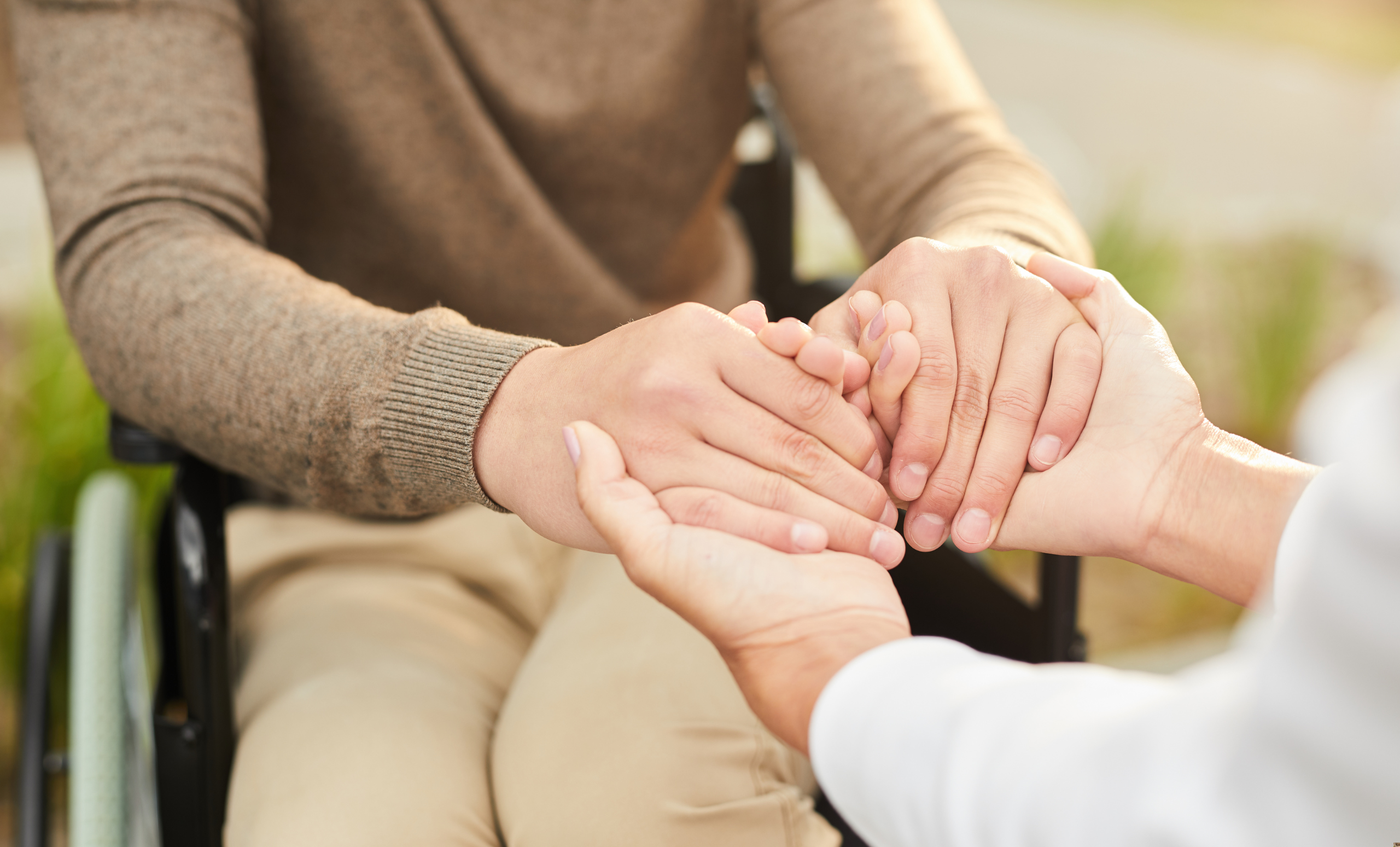
Complex Care: How It Differs From Standard Home Support
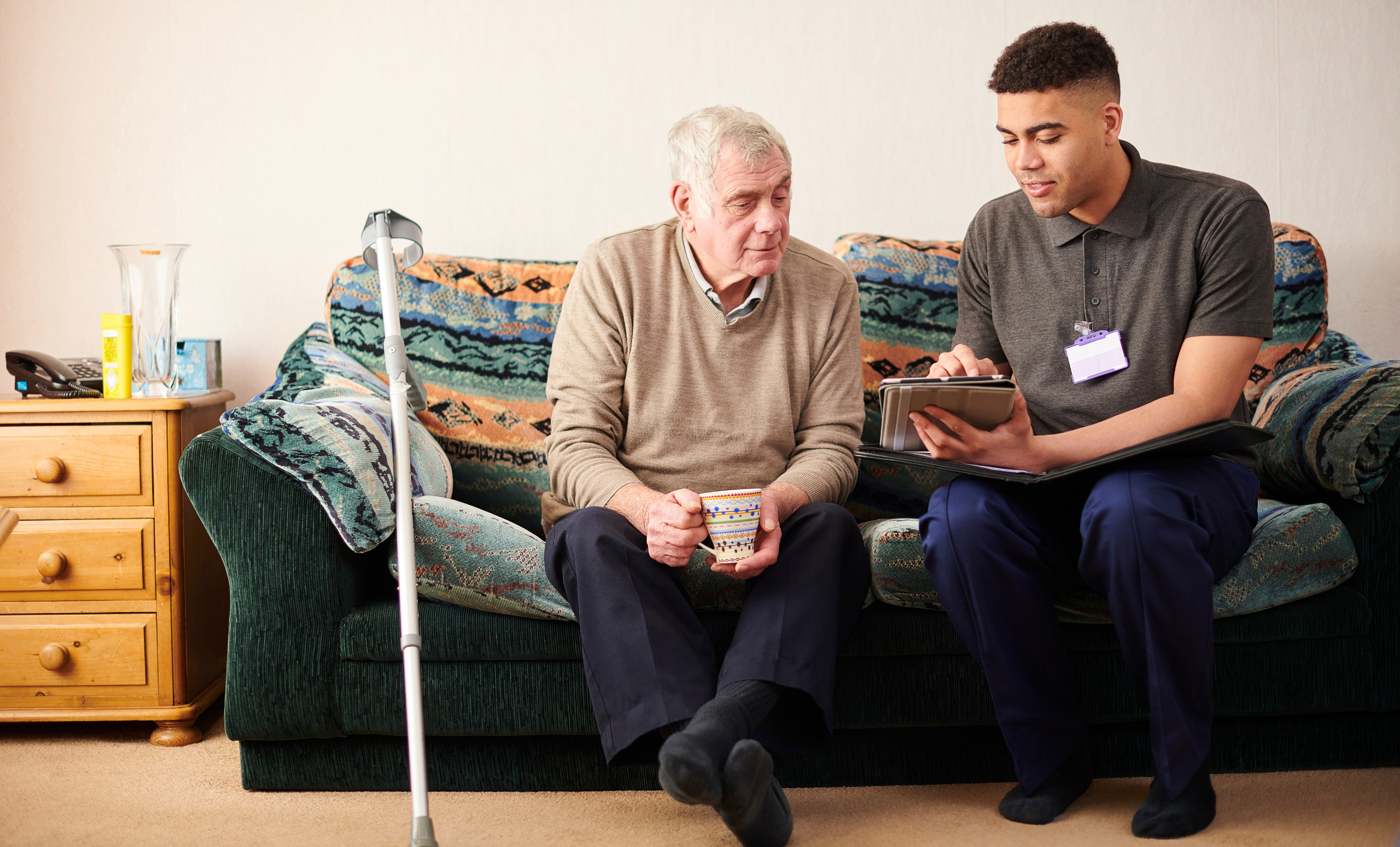
Complex care is tailored support for people with layered needs — such as physical impairments, cognitive challenges, behavioural conditions, or multiple medical requirements. It often includes:
- Personal care (bathing, dressing)
- Support with transfers and mobility
- Medication and clinical monitoring
- Behaviour support planning
This kind of care is more than everyday assistance. It’s about keeping people safe, comfortable and engaged even with high support demands.
Read more about different care options including Private Home Care vs Government Care in Australia.
What Makes High Intensity Support Different?
High intensity support includes all the elements of complex care but is designed for people with:
- Frequent daily support needs
- Medical or clinical involvement
- Behavioural or psychological support requirements
- High physical dependency
This support often involves structured schedules, trained carers and safety planning that standard home care doesn’t provide.
Families unsure about the level of support needed may start with a Home Care Assessment.
High Physical Support (HPS): Practical Examples
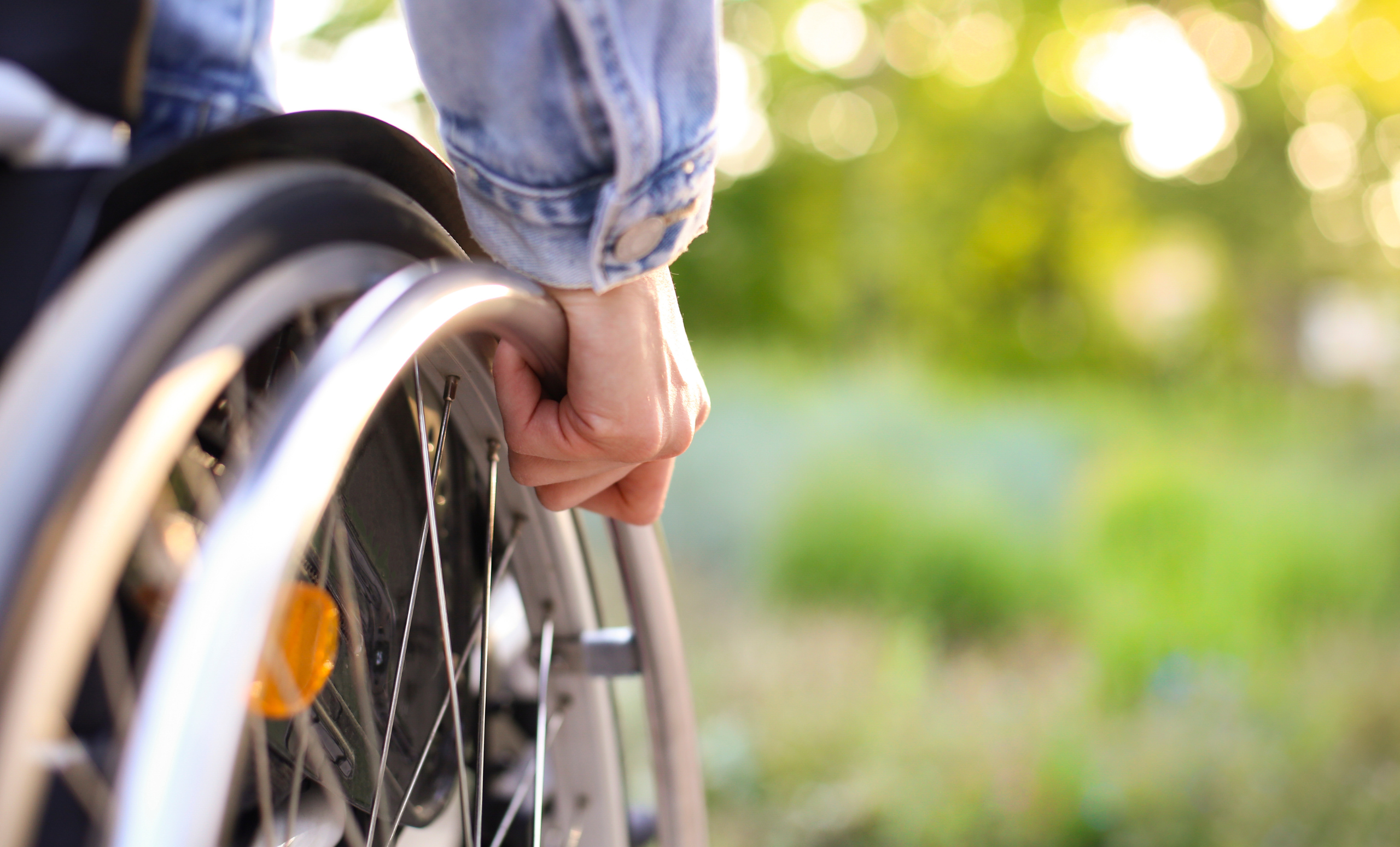
High physical support (HPS) focuses on tasks that require physical strength, safe technique and training. This may include:
- Assisted mobility and transfers
- Fall prevention strategies
- Use of specialised equipment
- Safe manual handling during daily routines
HPS is often recommended for individuals with limited mobility or complex movement needs – particularly where traditional support could risk injury.
24/7 High Care and High Intensity Participant Support
When a person’s needs require constant supervision or assistance, 24/7 high care becomes essential. This might include:
- Night-time supervision
- Frequent medication checks
- Rapid response to health fluctuations
- Regular rest and activity planning
Individuals designated as a high intensity participant often benefit most from this around-the-clock support.
Where Dementia Care Specialist Support Fits In
A dementia care specialist has advanced skills in supporting people with memory, behavioural and cognitive challenges. Their expertise can make a significant difference in:
- Reducing anxiety and agitation
- Improving communication
- Building personalised routines
- Minimising accidents and falls
Specialist dementia support is often part of broader high intensity care plans.
Learn more from the Better Health Channel about dementia care strategies.
Forensic Disability Services — Complex Care With a Legal Foundation
Forensic disability services provide structured, therapeutic support for people with cognitive or behavioural needs who are also involved with the justice system. This specialised care:
- Works alongside legal and health professionals
- Focuses on safe community living
- Uses behaviour and therapeutic strategies
While more niche, it’s an important aspect of comprehensive high intensity service ecosystems.
Choosing High Intensity Support That Works
When considering high intensity support, look for:
- Trained and experienced carers
- A clear care plan tailored to the individual
- Good communication with families
- A provider versed in complex care and HPS
These qualities help ensure support is safe, effective and respectful.
Explore In-Home Personal Care Services for a foundation in personalised care.
Final Thoughts on High Intensity Support
High intensity support and complex care are not “one size fits all” – they are person-centred, responsive services designed to empower people with significant needs to live comfortably, confidently and safely at home.
With the right support, families can feel assured that their loved ones receive both specialist care and dignity-led everyday assistance.