Understanding NDIS housing options is essential for participants and families planning long-term independence and support. Whether you require Supported Independent Living (SIL), Specialised Disability Accommodation (SDA), or a combination of services, choosing the right living arrangement can significantly impact quality of life.
This guide breaks down NDIS housing support in Australia, helping you understand your options and make informed decisions.
What Are NDIS Housing Options?
NDIS housing options refer to different types of accommodation and support available to participants based on their needs.
These include:
- Supported Independent Living (SIL)
- Specialised Disability Accommodation (SDA)
- Short-term and medium-term accommodation
- 24/7 supported housing
Each option is designed to provide varying levels of independence and care. For official guidance on eligibility and housing supports, visit the NDIS website, which provides detailed information on funding and participant plans.
Learn more about overall support services.
Supported Independent Living (SIL) Explained
Supported Independent Living (SIL) is one of the most common NDIS housing options. It focuses on providing daily support while promoting independence.
SIL may include:
- Assistance with personal care
- Help with cooking and cleaning
- Medication management
- 24/7 or overnight support
SIL is ideal for participants who want to live independently but still require structured assistance.
What Is Specialised Disability Accommodation (SDA)?
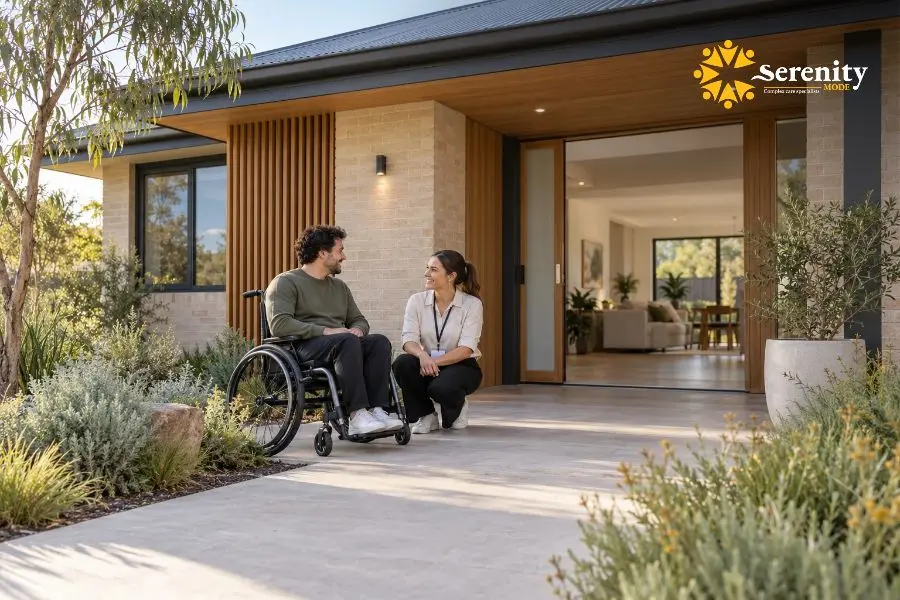
SDA housing is designed for participants with high physical or complex needs. These homes are built with accessibility features such as:
- Wheelchair accessibility
- Assistive technology integration
- High safety standards
It’s important to understand that SDA is about the physical home, while SIL is about the support services within that home.
SIL vs SDA: What’s the Difference?
In many cases, participants receive both SIL and SDA together. Many participants confuse SIL and SDA, but they serve different purposes:
| Feature | SIL | SDA |
|---|---|---|
| Focus | Support services | Housing design |
| Funding | Daily support | Property funding |
| Includes staff | Yes | No (separate) |
| Suitable for | Moderate to high | High physical support |
24/7 Supported Accommodation for High Care Needs
Participants with complex conditions may require 24/7 supported accommodation, which combines housing and continuous care. This includes:
- High intensity support
- Overnight monitoring
- Emergency response
- Behavioural and medical support
Choosing the Right NDIS Housing Option
Selecting the right housing depends on several factors:
- Level of independence
- Medical or behavioural needs
- Funding in your NDIS plan
- Preferred living arrangement (alone or shared)
A well-matched housing solution ensures long-term stability, safety, and independence.
Common Mistakes When Choosing NDIS Housing
Many families face challenges due to:
- Confusing SIL with SDA
- Choosing providers without proper experience
- Not planning for future support needs
- Overlooking 24/7 care requirements
Avoiding these mistakes can save time and ensure better outcomes.
How Serenity Mode Supports NDIS Housing Needs
At Serenity Mode, we support participants across a range of NDIS housing options, including:
- Supported Independent Living (SIL)
- High care and complex care support
- Daily living assistance
- Transition support into independent housing
Our focus is on creating safe, supportive environments that empower independence.
Final Thoughts on NDIS Housing Options
Navigating NDIS housing options in Australia doesn’t have to be overwhelming. By understanding the difference between SIL, SDA, and supported accommodation, participants can make informed decisions that align with their goals.
The right housing solution is not just about where you live – it’s about how you live, grow, and achieve independence.